
ربما تحتاج إليها أيضا!
شرائه ↓
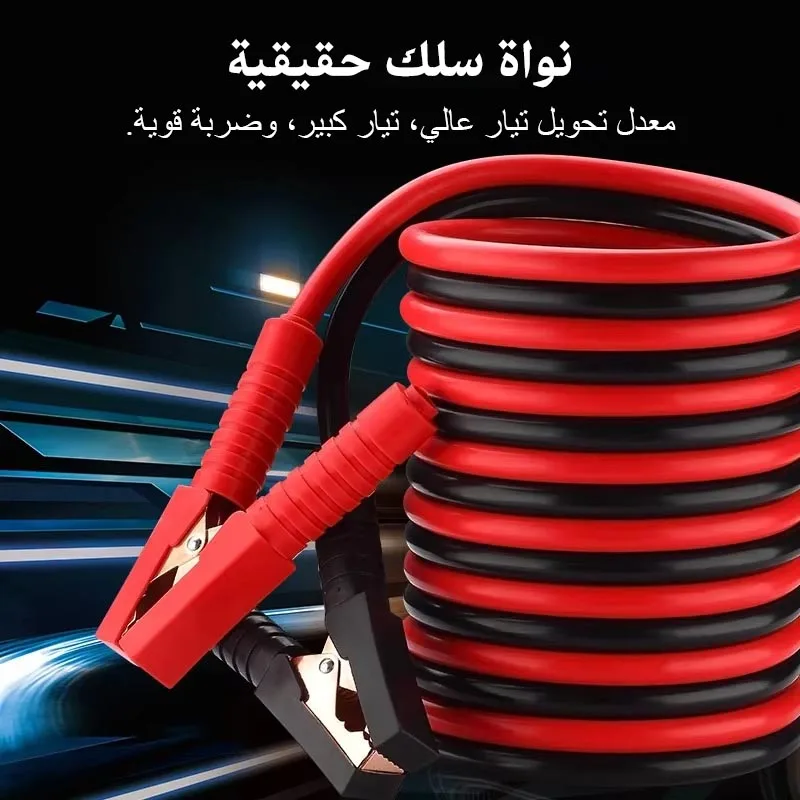
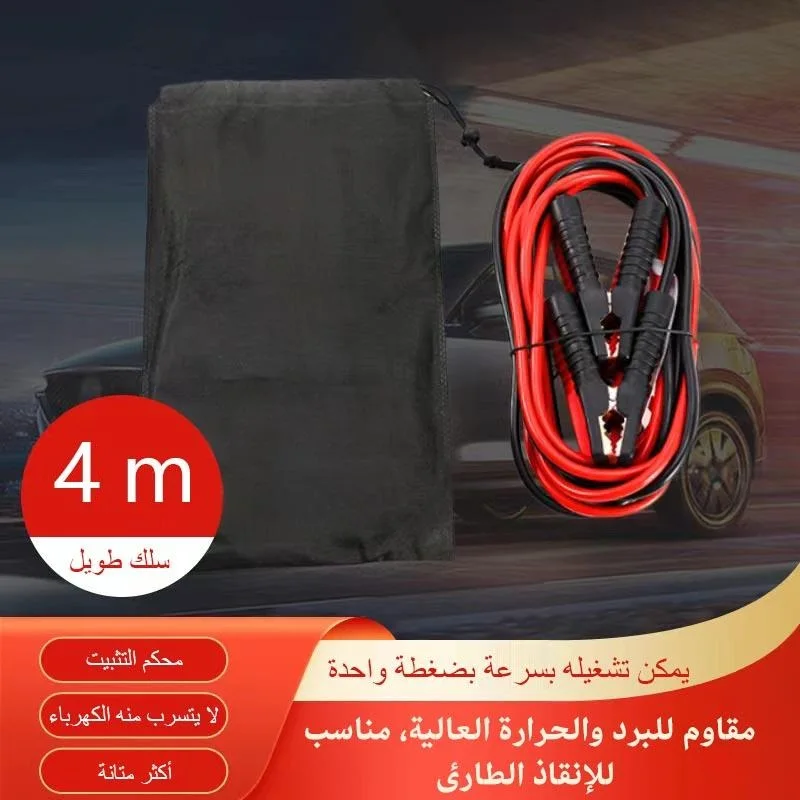
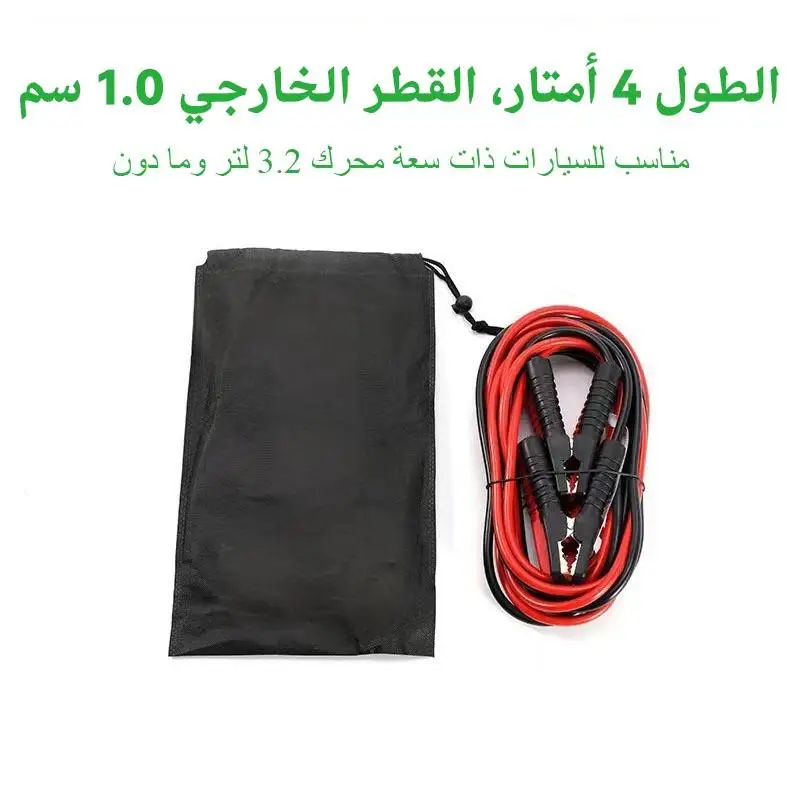
أسلاك توصيل بطارية السيارة شديدة التحمل بطول 4 أمتار، وكابلات تشغيل السيارة الموثوقة، ومكابح القفز للسيارات للإزاحة أقل من 3.2 لتر
تتضمن الحزمة:
1 × 4M 3.2L كابلات توصيل السيارة (مع حقيبة تخزين)
الميزات
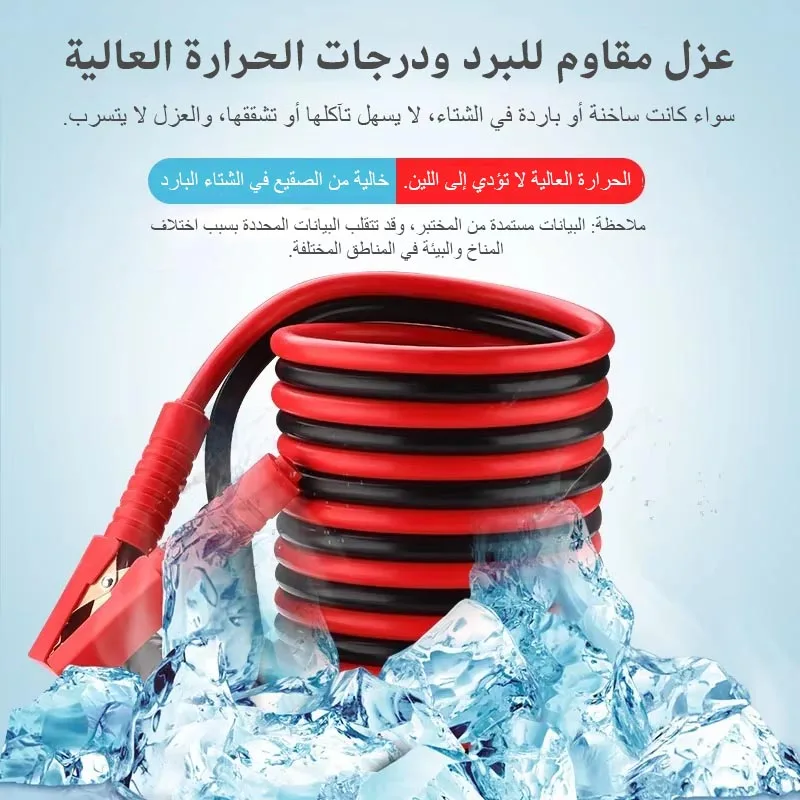
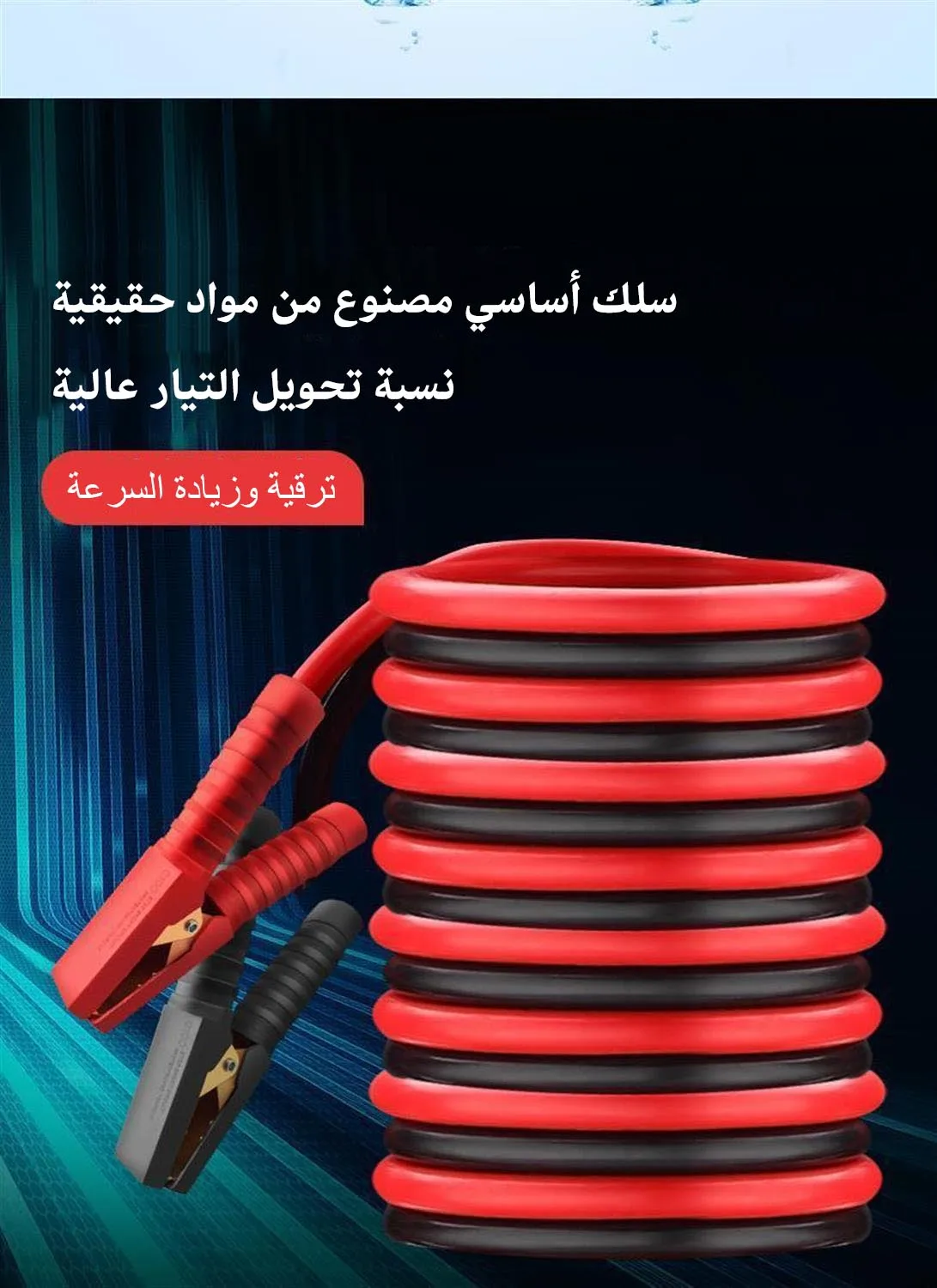
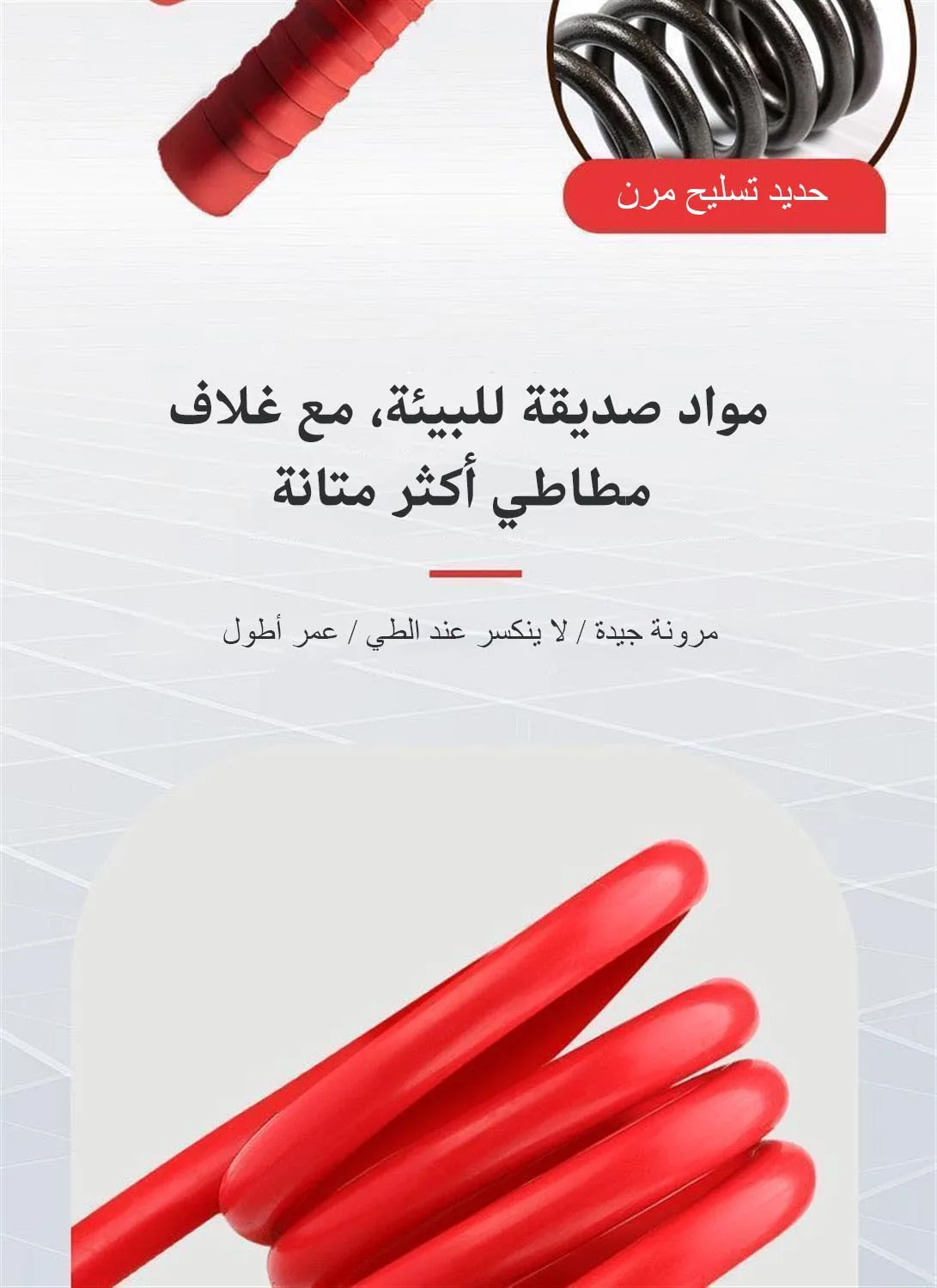
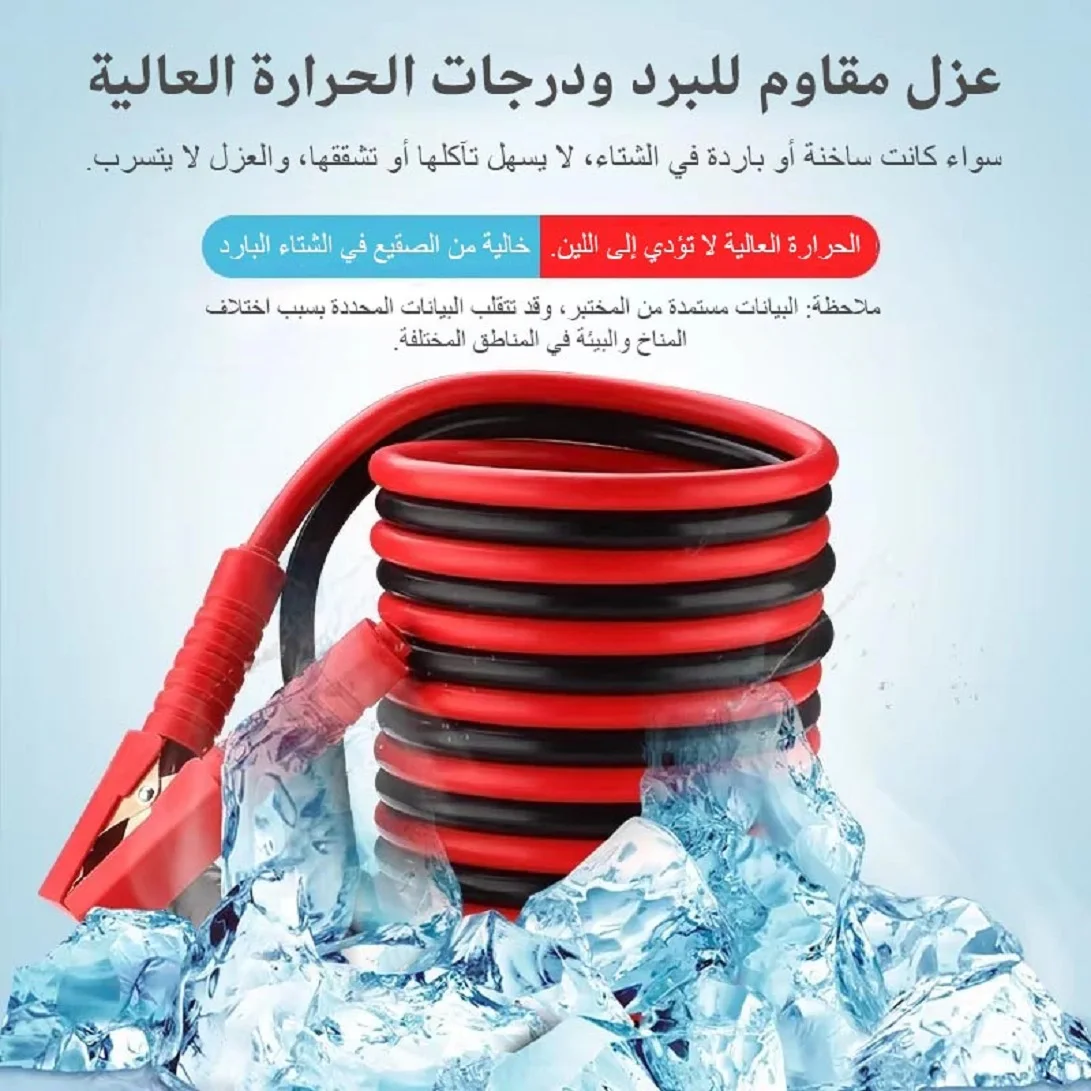
1. مواد عالية الجودة: مصنوعة من مواد صديقة للبيئة، تتميز كابلات Car Jump Starter هذه بمقاومة درجات الحرارة العالية ودرجات الحرارة المنخفضة، مما يضمن أداءً مستقرًا في مختلف الظروف الجوية.
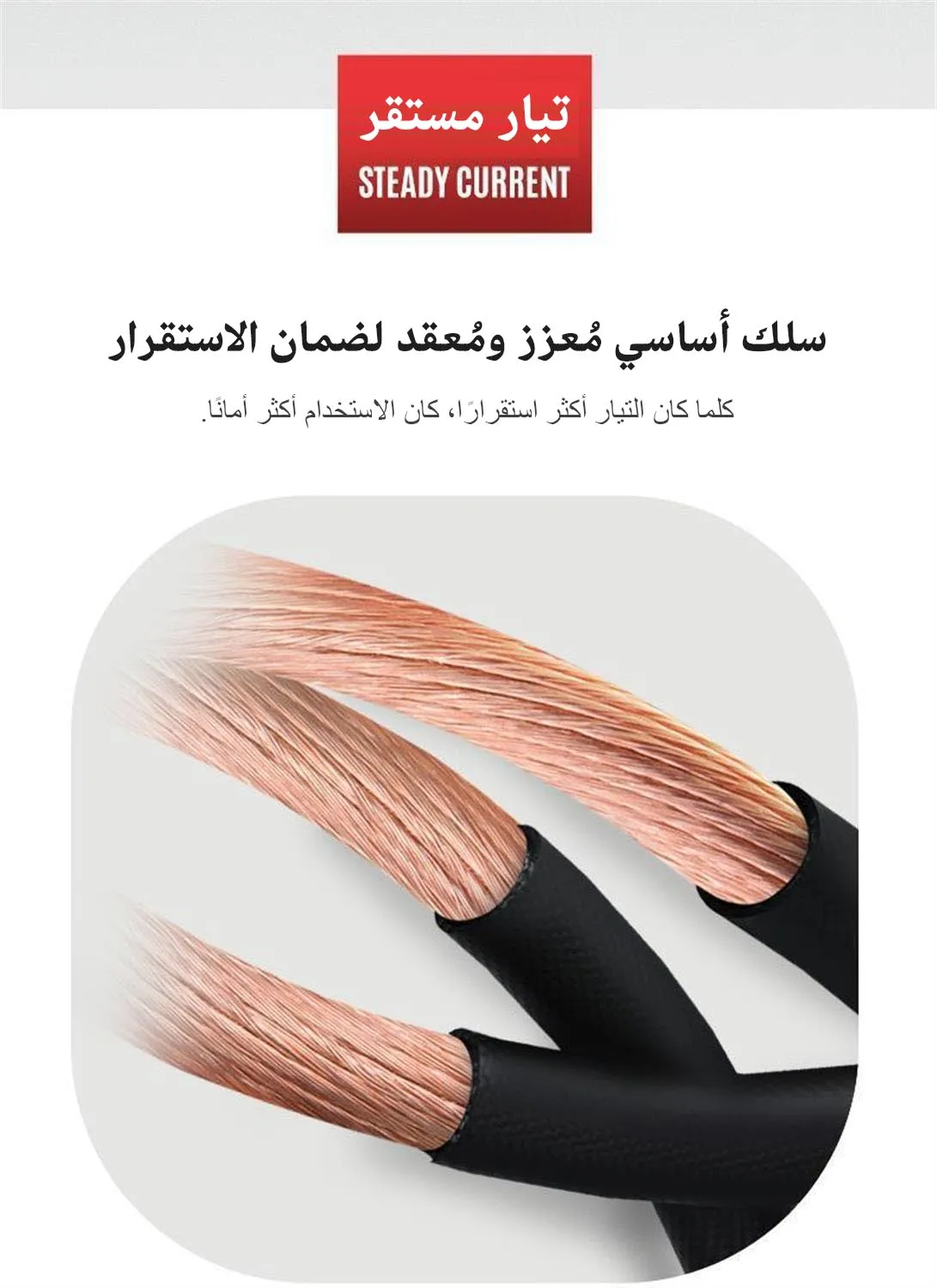
2. ناقل تيار قوي: مزود بنواة سلكية حقيقية، وهو يدعم معدل تحويل تيار مرتفع، مما يجعله مناسبًا لبدء تشغيل المركبات ذات المتطلبات الكهربائية الأكبر، ومثالي للاستخدام كأسلاك قفز للسيارات.
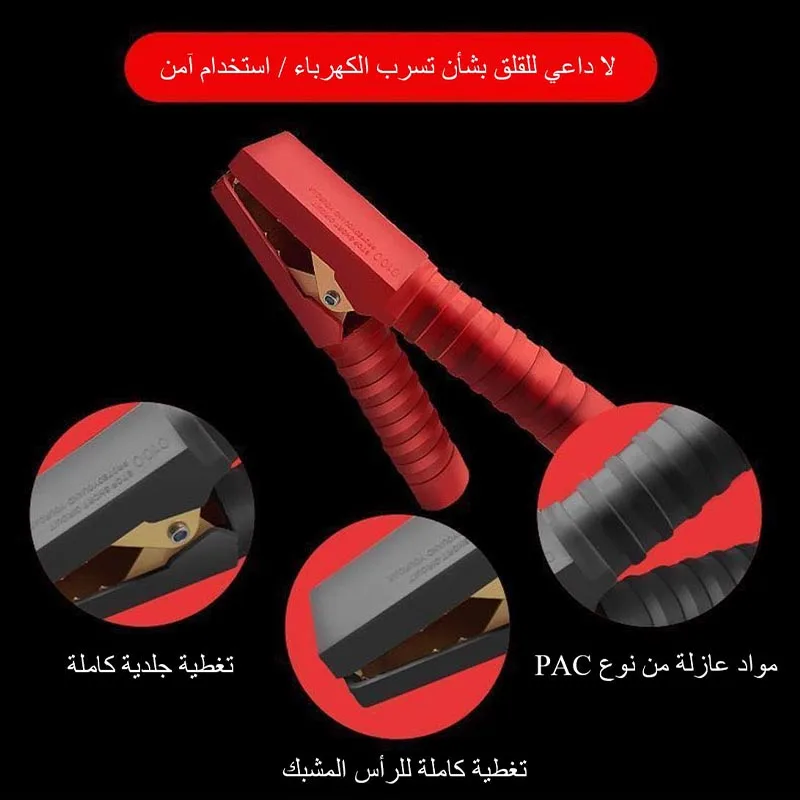
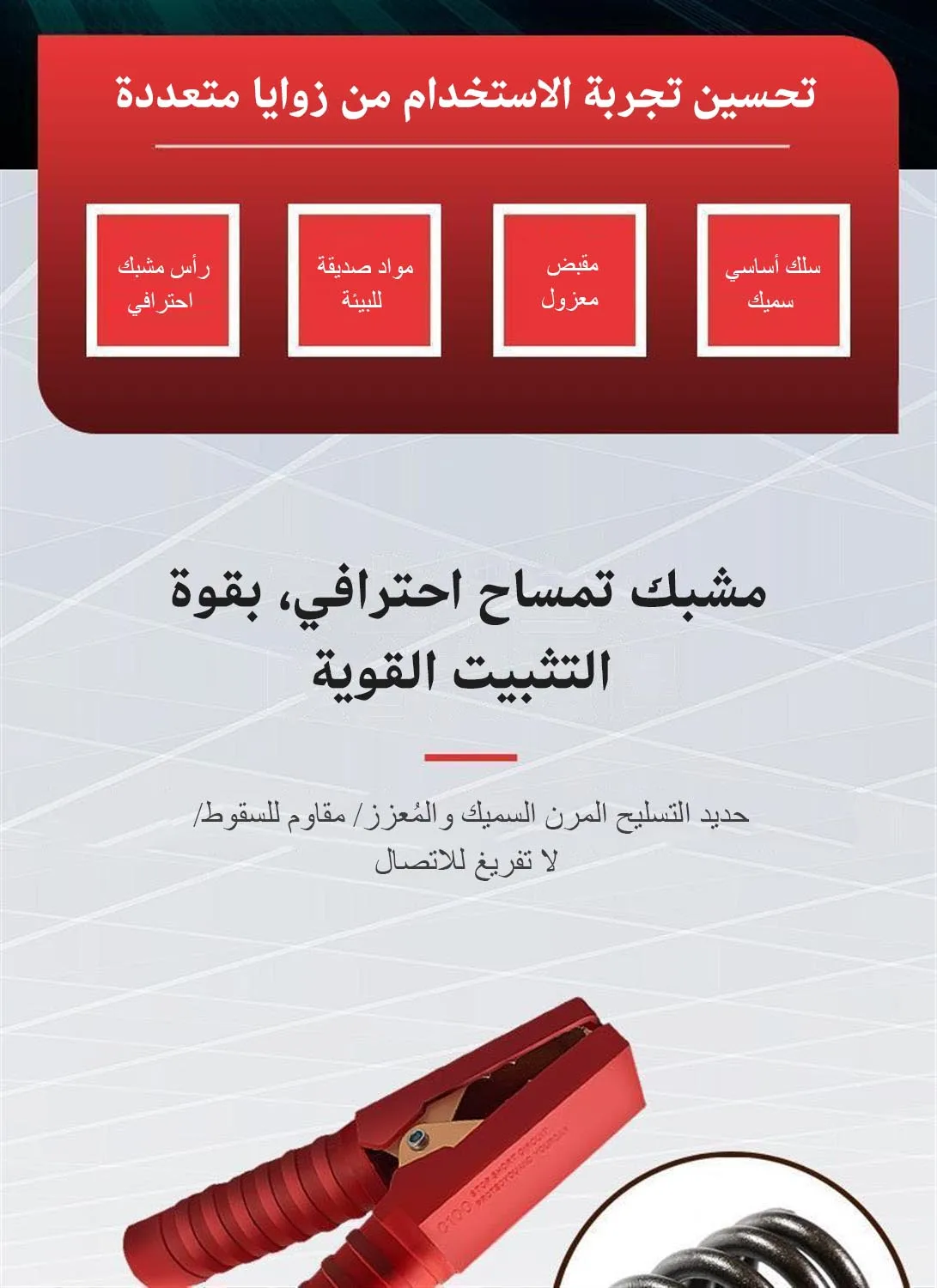
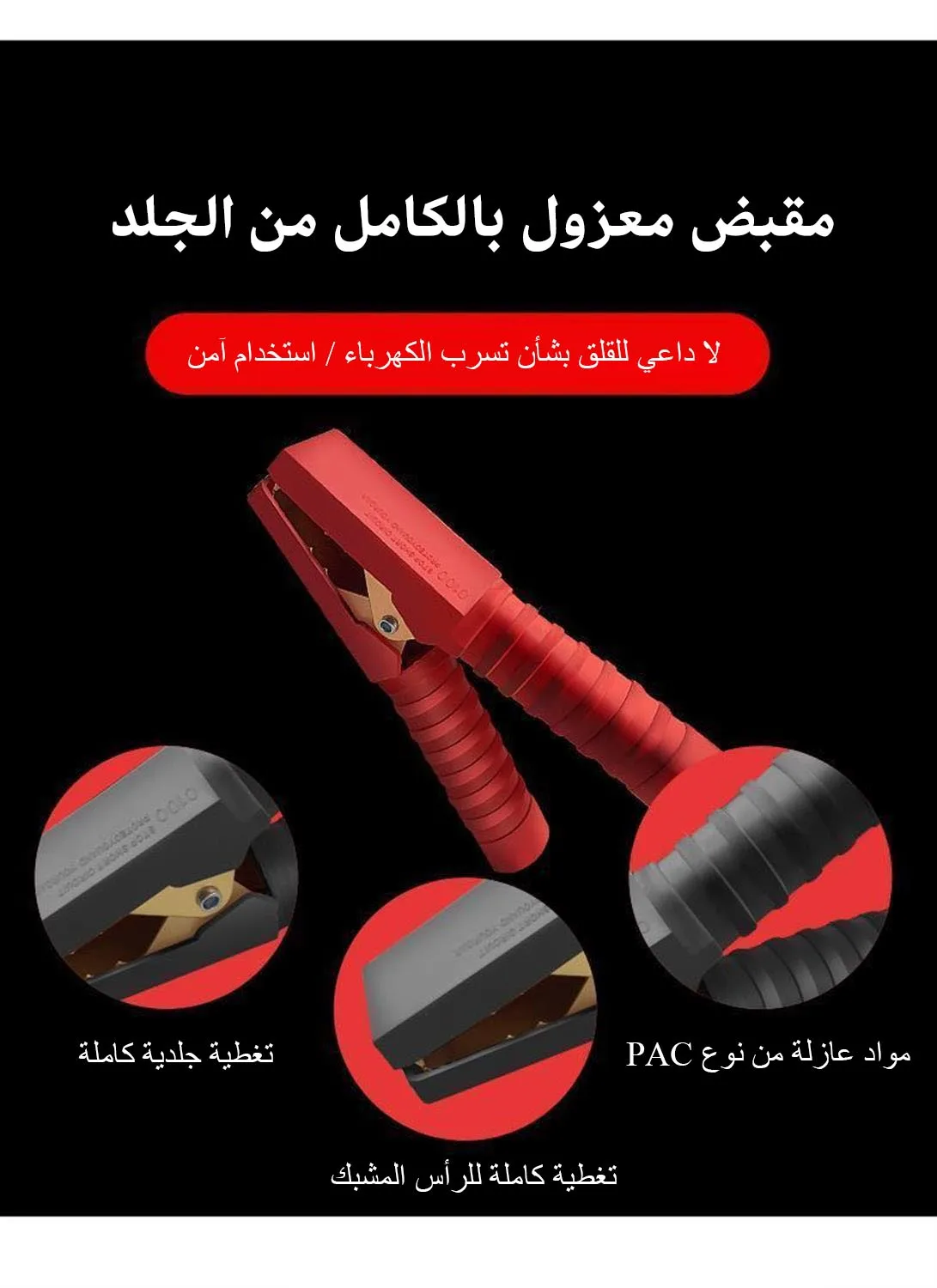
3. تصميم السلامة: المادة المعزولة مقاومة للتآكل والتشقق، مما يوفر تجربة مستخدم آمنة عند استخدام أسلاك توصيل بطارية السيارة.
4. سهل الاستخدام: تم تصميم مشابك سهلة الاستخدام للاتصال والفصل المريح، ويتوافق مشغل القفز هذا مع نماذج المركبات المختلفة، ويعمل بفعالية ككابلات معززة لبطارية السيارة.
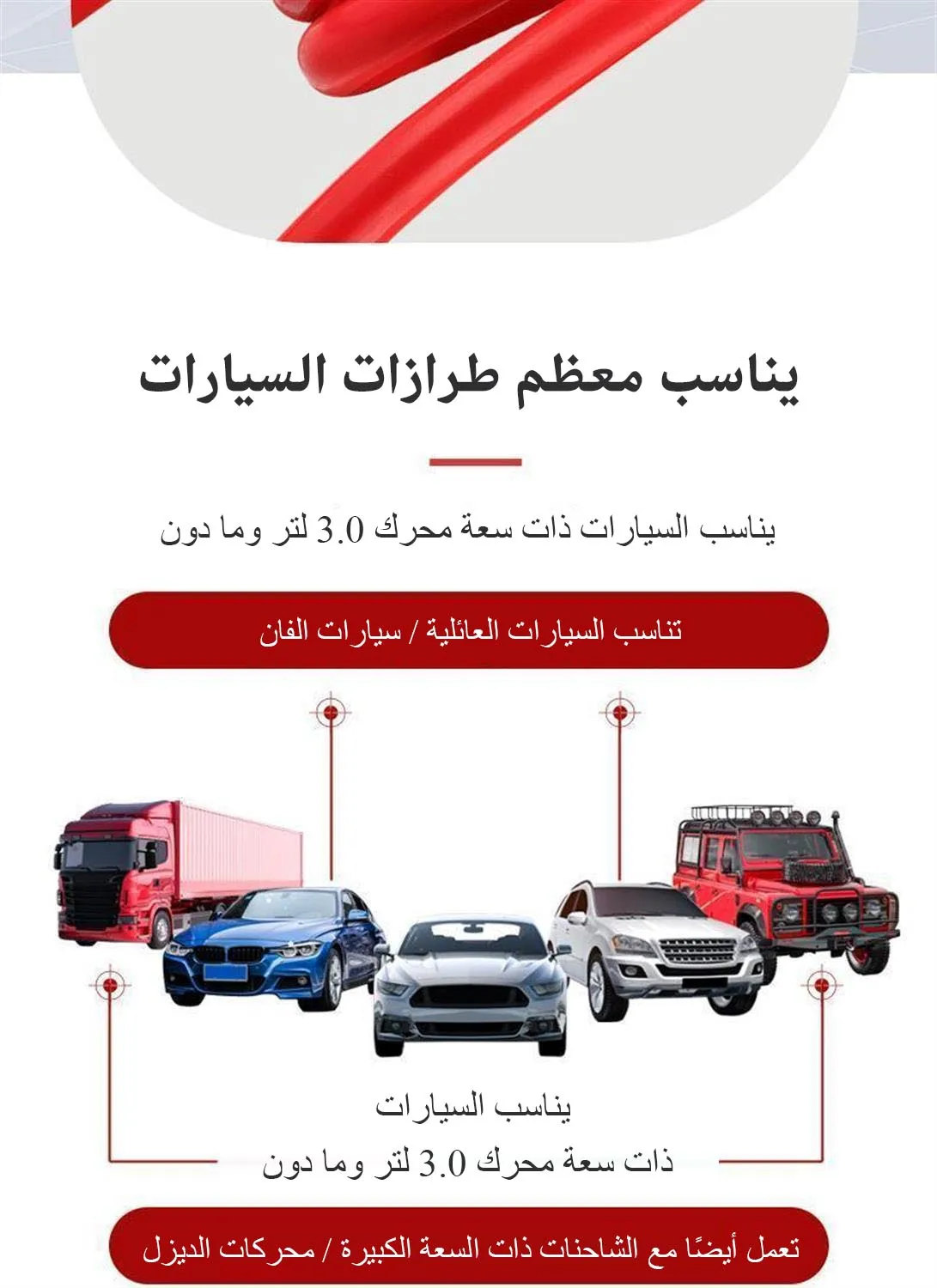
5. متوافق مع المركبات ذات إزاحة المحرك أقل من 3.2 لتر: مصمم خصيصًا للسيارات ذات أحجام المحرك أقل من 3.2 لتر، مما يجعله حلاً مثاليًا لمعظم المركبات المدمجة والمتوسطة الحجم، ويعمل أيضًا كأسلاك لبادئ تشغيل السيارة في حالات الطوارئ.
توصيل الكابلات
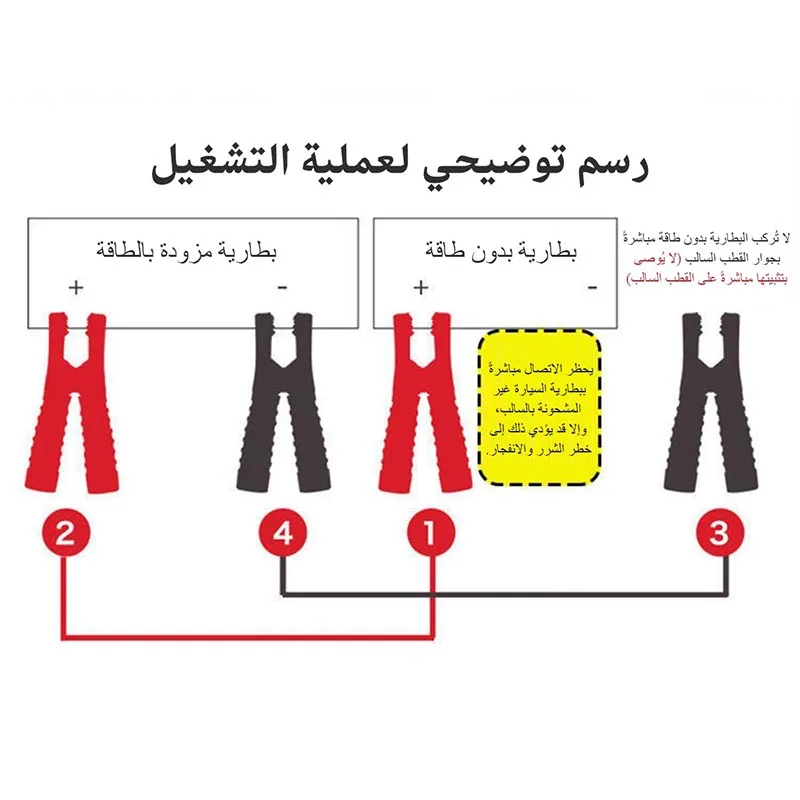
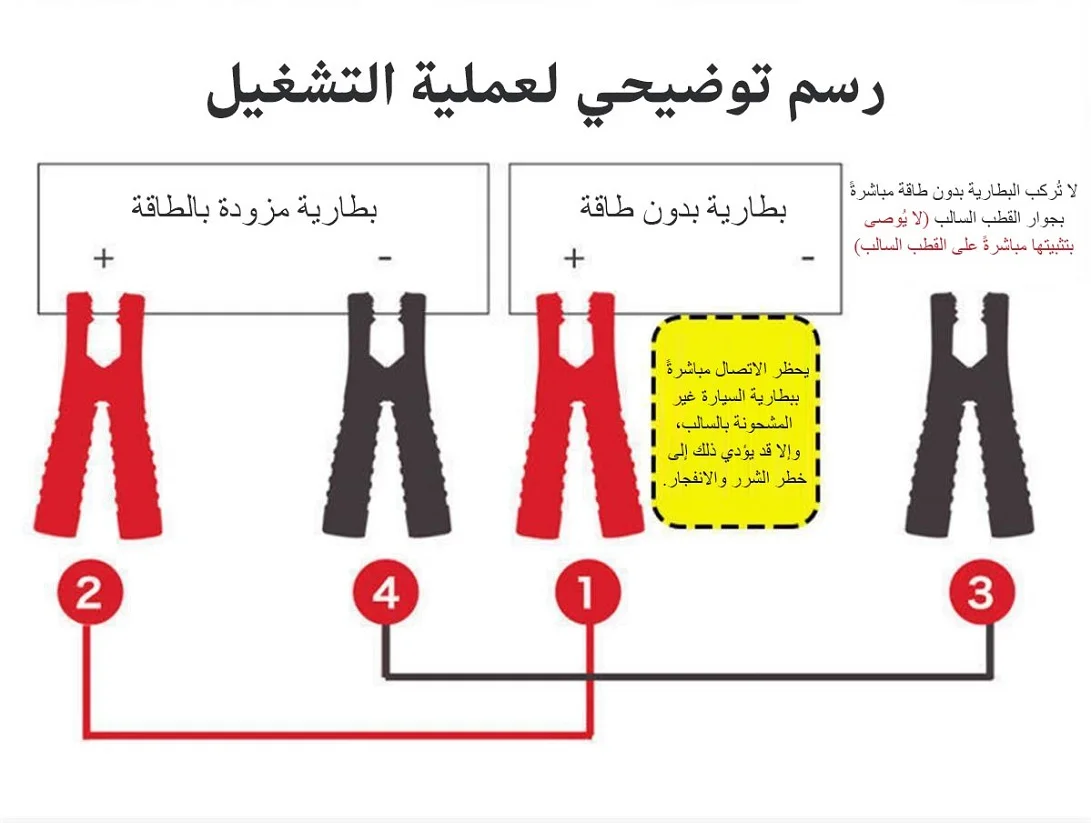
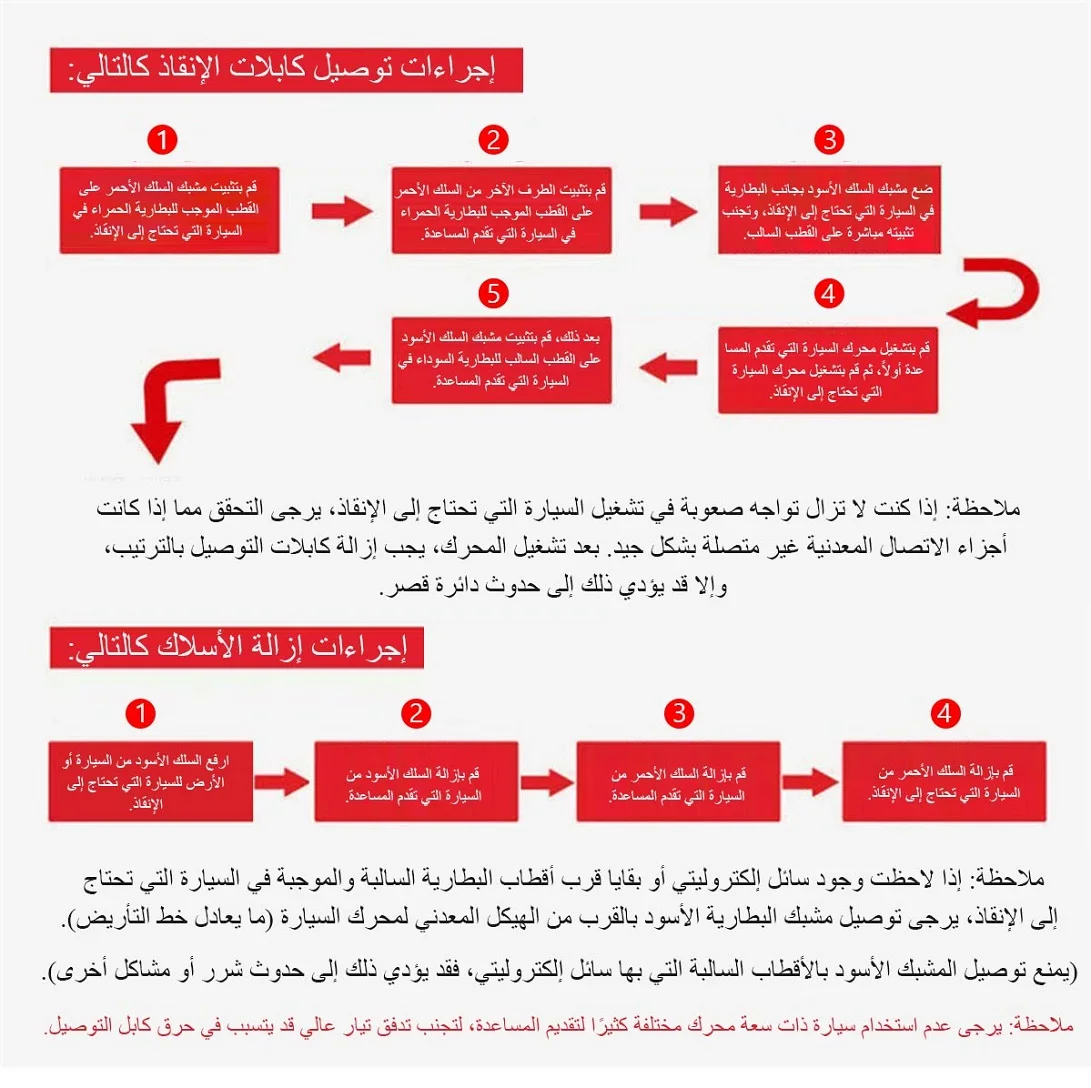
1. تحضير المركبات: تأكد من إيقاف تشغيل كلا المركبتين وتوقفهما بالقرب بما يكفي ليتمكن الكابلات من الوصول بينهما.
2. تحديد أطراف البطارية: حدد موقع الأطراف الموجبة (+) والسالبة (-) على كل من البطارية الميتة والبطارية العاملة.
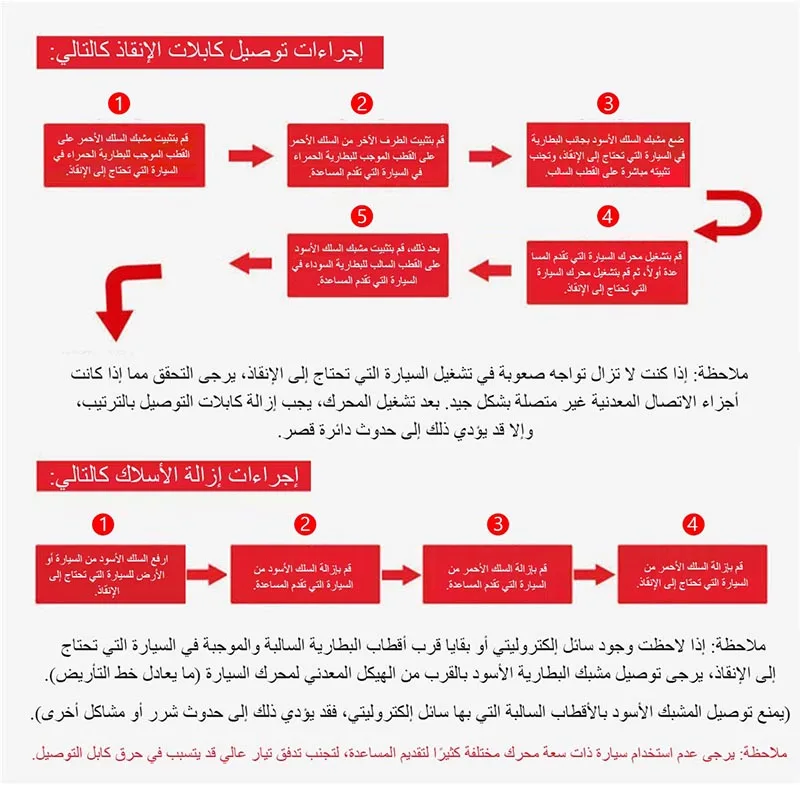
3. قم بتوصيل الكابل الموجب: قم بتوصيل أحد طرفي كابل التوصيل الأحمر (الإيجابي) بالطرف الموجب للبطارية الميتة.
4. الاتصال ببطارية العمل: قم بتوصيل الطرف الآخر من كابل التوصيل الأحمر (الإيجابي) بالطرف الموجب لبطارية العمل.
5. قم بتوصيل الكابل السالب: قم بتوصيل أحد طرفي كابل التوصيل الأسود (السلبي) بالطرف السالب لبطارية العمل.
6. قم بتأريض الاتصال: قم بتوصيل الطرف الآخر من كابل التوصيل الأسود (السلبي) بنقطة أرضية معدنية على السيارة الميتة (مثل مسمار غير مطلي أو كتلة المحرك) لتقليل خطر الشرر.
7. قم بتشغيل محرك مركبة الإنقاذ أولاً، ثم قم بتشغيل محرك مركبة الإنقاذ.
الحذر
*إذا كانت السيارة المنقذة لا تزال تفشل في التشغيل، يرجى التحقق مما إذا كانت نقاط الاتصال المعدنية متصلة بشكل آمن.بعد بدء تشغيل المحرك، يجب عليك إزالة كابلات التشغيل بالترتيب الصحيح؛ وإلا فسيكون هناك خطر التسبب في حدوث ماس كهربائي.
*إذا لاحظت أي بقايا أو تسرب للكهرباء بالقرب من الأطراف الموجبة والسالبة لبطارية السيارة المنقذة، قم بتوصيل المشبك الأسود لكابل البطارية بجزء معدني بالقرب من محرك السيارة المنقذة (يعمل كاتصال أرضي) لتجنب الشرر.
*لا تستخدم المركبات ذات إزاحة المحرك المختلفة بشكل ملحوظ لبدء التشغيل، لأن ذلك قد يؤدي إلى زيادة التيار الزائد وتلف كابلات التوصيل.
فصل الكابلات
1. قم بإيقاف تشغيل السيارة العاملة: بمجرد شحن البطارية الميتة وبدء تشغيل السيارة، قم بإيقاف تشغيل السيارة العاملة قبل فصل الكابلات.
2. قم بإزالة الاتصال الأرضي: ابدأ بإزالة كابل التوصيل الأسود (السلبي) من النقطة المعدنية المؤرضة في السيارة الميتة.
3. افصل السالب عن بطارية العمل: بعد ذلك، قم بإزالة الطرف الآخر من كابل التوصيل الأسود (السلبي) من الطرف السالب لبطارية العمل.
4. قم بإزالة الموجب من بطارية العمل: افصل كابل التوصيل الأحمر (الإيجابي) عن الطرف الموجب لبطارية العمل.
5. أخيرًا، قم بإزالة الموجب من البطارية الميتة: أخيرًا، قم بإزالة كابل التوصيل الأحمر (الإيجابي) من الطرف الموجب للبطارية الميتة.
6. قم بتخزين الكابلات بأمان: قم بلف كابلات التوصيل بشكل أنيق وقم بتخزينها في مكان آمن في سيارتك للاستخدام في المستقبل.
كابلات تشغيل السيارة، كابلات تعزيز بطارية السيارة، أسلاك القفز للسيارات، كابلات القفز للسيارات شديدة التحمل، أسلاك توصيل بطارية السيارة، كابلات بدء التشغيل للسيارات، أسلاك تشغيل السيارة في حالات الطوارئ
التعليقات
لا توجد تعليقات حتى الآن .. قم بإضافة أول تعليق